When it comes to improving energy efficiency in industrial settings, Roof Heat Recovery Gas Heating Units offer an effective solution. By harnessing waste heat from various processes, these units provide a sustainable heating option that not only reduces operational costs but also minimizes energy consumption. In this guide, we will delve deep into the functionality, benefits, installation processes, maintenance, and best practices for utilizing Roof Heat Recovery Gas Heating Units effectively in your industrial operations.
1. Understanding Roof Heat Recovery Gas Heating Units
- Definition: Roof Heat Recovery Gas Heating Units are specialized systems designed to capture and reuse waste heat generated by industrial processes or equipment.
- How they Work: These systems typically use a heat exchanger to transfer heat from exhaust gases to the incoming cold air, thereby preheating it before it enters the heating system.
2. Benefits of Roof Heat Recovery Gas Heating Units
- Energy Efficiency: These units can significantly reduce energy consumption, potentially leading to savings of 30% or more on heating costs.
- Environmental Impact: By utilizing waste heat, your facility can decrease carbon emissions and contribute to a greener environment.
- Improved Comfort: Consistent heating can enhance working conditions for employees, thereby boosting productivity.
3. Installation Process
- Site Assessment: Evaluate your facility's layout, heat sources, and energy needs. Engage professionals for a thorough assessment.
- Choosing the Right Unit: Consider factors such as heating capacity, energy recovery efficiency, and compatibility with existing systems.
- Installation Steps:
- Prepare the installation site and necessary electrical connections.
- Position the heat recovery unit on the roof as per manufacturer guidelines.
- Connect ductwork to ensure optimal airflow and heat distribution.
- Test the system extensively to ensure efficient operation.
4. Maintenance Tips for Longevity
- Regular Inspections: Schedule routine checks to examine components for signs of wear or inefficiency.
- Cleaning the Heat Exchanger: Ensure that the heat exchanger is clean to maximize heat transfer.
- Scheduling Professional Maintenance: Consider employing a qualified technician for annual maintenance checks.
5. Best Practices for Implementation
- Integrating with Existing Systems: Ensure that roof heat recovery units are compatible with other HVAC systems to optimize performance.
- Educating Personnel: Train staff on operating and maintaining the units effectively.
- Monitoring Performance: Utilize monitoring systems to track energy savings and performance metrics.
6. Technological Advances in Roof Heat Recovery
- Smart Technology Integration: Explore new technologies such as IoT sensors for better monitoring and control of heating units.
- Future Trends: Keep an eye on upcoming innovations in materials and automation to enhance efficiency.
7. Real-World Applications and Case Studies
- Industrial Case Studies: Highlight successful implementations across different industries showing reductions in energy costs and emissions.
- Comparative Analysis: Compare older heating systems with roof heat recovery units to emphasize benefits.
AirTS.net/data/watermark/20231128/65654676197e3_.webp" alt="
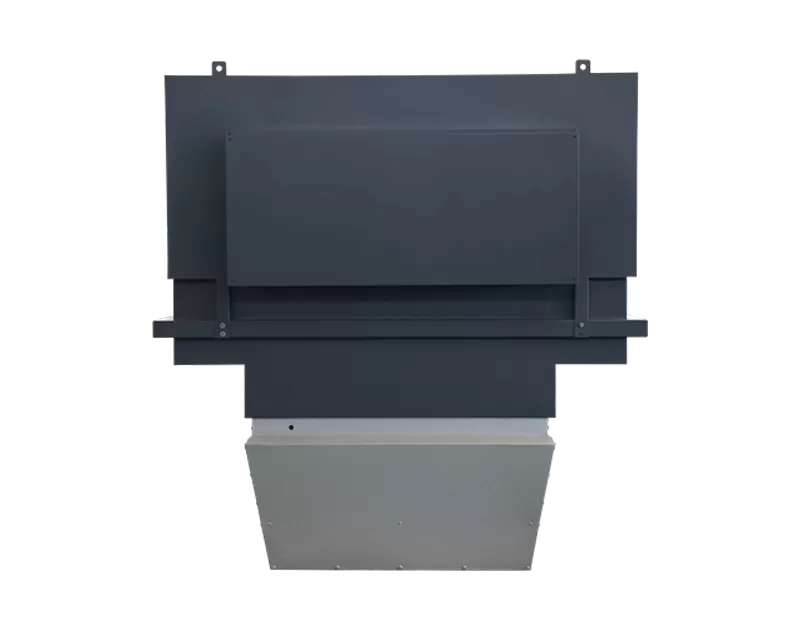
AirTS Heat Recovery Gas Heating Unit" />
Conclusion & Final Thoughts
- Adopting Roof Heat Recovery Gas Heating Units: These systems can play a crucial role in modernizing industrial heating approaches while ensuring sustainability.
- Stay Informed: Continue researching and updating your knowledge on advancements in heat recovery technologies.
Key Considerations for Selecting Heat Recovery Systems
- Cost vs. Efficiency: Weigh initial costs against potential energy savings to determine ROI.
- Local Regulations: Ensure compliance with local energy and environmental regulations before installation.
- Supplier Reputation: Select reputable manufacturers known for quality products and services.


 AirTS.net/data/watermark/20231128/65654676197e3_.webp" alt="AirTS Heat Recovery Gas Heating Unit" />